
In the complex chessboard of Middle Eastern and South Asian geopolitics, the relationship—or lack thereof—between Israel and Pakistan is one of the most volatile undercurrents. While the world’s attention is often fixed on Iran, many strategic analysts argue that Israel needs to maintain a much sharper focus on Pakistan.
The concern isn’t just diplomatic; it’s about the alleged export of radical ideologies and the potential for state-sponsored instability that could threaten Israel’s national security.
1. The Nuclear Factor: A Unique Threat
Pakistan is the only country in the Islamic world with a nuclear arsenal. From an Israeli security perspective, the fear of “nuclear leakage”—where technology or materials could fall into the hands of radical non-state actors—is a constant nightmare. Any internal instability in Pakistan directly increases the risk of nuclear assets being used as leverage by groups hostile to the West and its allies.
2. Allegations of Terror Sponsorship
Israel has long maintained that global terrorism is a connected web.
- Proxy Support: Critics argue that Pakistan’s history with groups like Lashkar-e-Taiba and its influence over the Taliban create a blueprint for terror that other regional actors (like Hamas or Hezbollah) can follow.
- Radicalization: The export of extremist ideologies through various channels provides the “intellectual fuel” for anti-Israel sentiment across the globe.
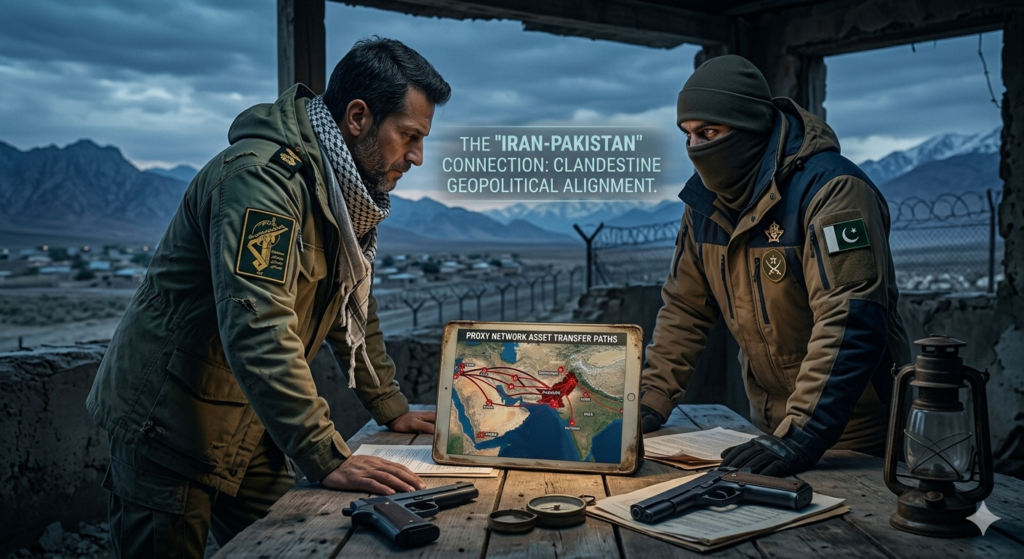
3. The “Iran-Pakistan” Connection
While Pakistan and Iran have a complicated relationship, their shared interests in certain regional dynamics can pose a challenge. Israel must monitor whether technical military cooperation or intelligence sharing between these two neighbors could indirectly strengthen Iran’s hand in its “shadow war” against the Jewish state.
4. Direct Hostility and Propaganda
Despite being thousands of miles apart, Pakistan’s state rhetoric is frequently and fiercely anti-Israel.
- Pakistan does not recognize Israel and its passports explicitly state they are valid for all countries except Israel.
- This state-level hostility often translates into support for anti-Israel resolutions at international forums like the UN, acting as a diplomatic barrier to Israel’s peace efforts in the region.
Why “Punishment” is Complex: The Global Response
The idea of Israel “punishing” Pakistan is a topic debated in hawkish circles, but it carries immense diplomatic risks:
- Intelligence Operations: Instead of open warfare, Israel often relies on Mossad’s world-class intelligence to track movements and neutralize threats before they reach their borders.
- Diplomatic Pressure: Israel, along with allies like the U.S. and India, can push for stricter FATF (Financial Action Task Force) monitoring to ensure Pakistan’s soil is not used for terror financing.
- Counter-Terrorism Cooperation: By strengthening ties with Pakistan’s neighbors, Israel creates a strategic “encirclement” that monitors radical activities in real-time.
Conclusion: The Need for Constant Watchfulness
For Israel, Pakistan remains a “black box”—unpredictable and potentially dangerous. While direct conflict is unlikely due to geography, the indirect threats via terror proxies and nuclear proliferation are too high to ignore. In the world of intelligence, being “forewarned is forearmed.” Israel must continue to keep a vigilant eye on the shifting sands of Islamabad to ensure that the next global threat doesn’t emerge from the shadows of the Hindu Kush.
What do you think?
Should Israel take a more active role in monitoring South Asian politics? Does Pakistan’s stance truly affect Israel’s security? Join the conversation in the Comments below.


