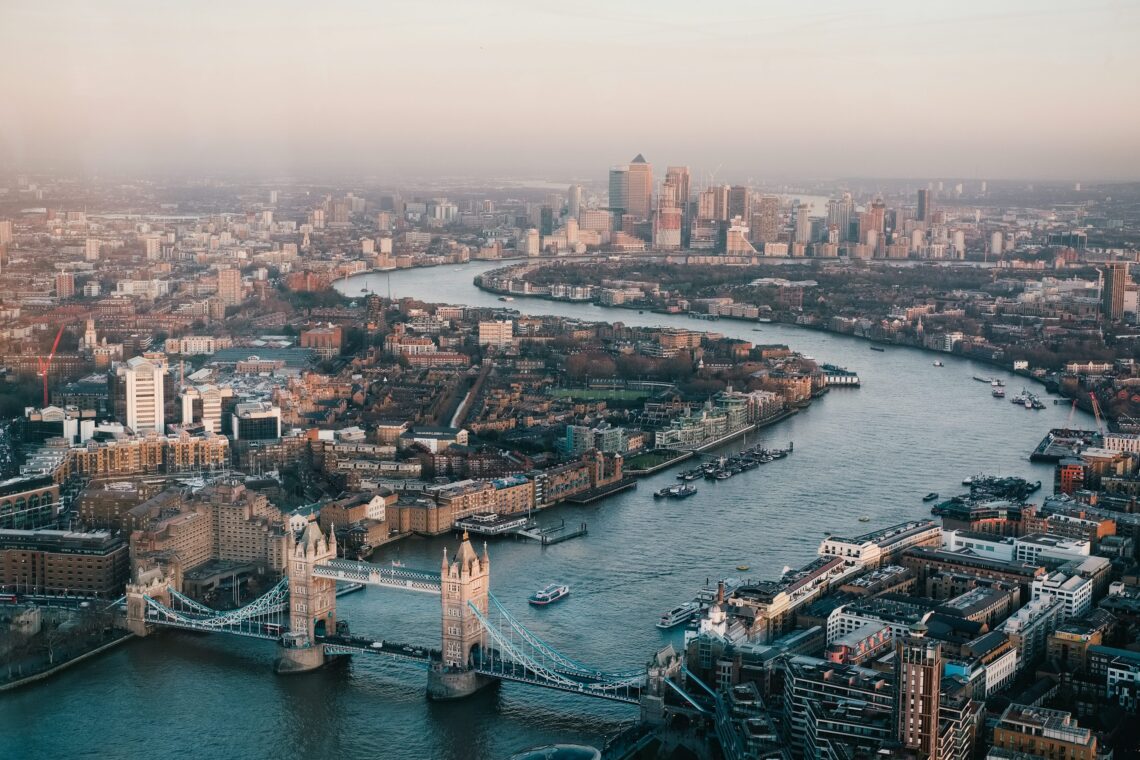
Introduction: A Nation Facing Major Changes
For decades, the United Kingdom was seen as one of the world’s most stable and influential countries.
From its strong economy and global financial power to its political influence and cultural identity, Britain played a major role on the world stage.
But today, the UK faces a series of growing internal and external challenges that are reshaping the country’s future.
From economic pressure and political division to immigration and demographic change, modern Britain is going through a period of uncertainty unlike anything seen in recent decades.
Here are five of the biggest challenges currently facing the United Kingdom.
1. Economic Pressure and Cost of Living Crisis
One of the biggest issues in Britain today is the rising cost of living.
Millions of people across the UK are struggling with:
- High inflation
- Expensive housing
- Rising energy bills
- Increasing food costs
Even middle-class families are feeling financial pressure.
After Brexit, economic uncertainty increased further, affecting trade, investment, and business confidence in some sectors.
At the same time, wages in many industries have not kept pace with inflation, creating frustration among workers.
2. Immigration and Demographic Change
Immigration has become one of the most debated topics in British politics.
Over the past few decades, the UK has experienced significant demographic and cultural changes due to migration from different parts of the world.
One major discussion point has been the rapid growth of Muslim communities in several British cities.
Supporters of immigration argue that:
- immigrants contribute to the economy,
- fill labor shortages,
- and add cultural diversity.
Critics, however, raise concerns about:
- pressure on public services,
- social integration,
- identity politics,
- and the pace of demographic change.
In cities like London, Birmingham, and parts of northern England, changing population patterns have become a major political and cultural topic.
This debate has increasingly influenced elections, public policy, and national identity discussions across the UK.

3. Political Division After Brexit
Brexit deeply divided British society.
Even years after leaving the European Union, the country remains politically split over whether Brexit was the right decision.
Some believe Brexit restored sovereignty and border control.
Others argue it damaged:
- trade,
- economic growth,
- and Britain’s international influence.
Brexit also created tensions between different parts of the UK, especially:
- Scotland,
- Northern Ireland,
- and England.
The long-term political effects of Brexit are still unfolding.
4. Pressure on the National Health Service (NHS)
The NHS is one of Britain’s most important institutions, but it is under serious strain.
The healthcare system faces:
- long waiting times,
- staff shortages,
- funding pressure,
- and growing patient demand.
An aging population is increasing pressure on hospitals and social care systems.
Many experts warn that without major reforms and investment, the NHS could face even bigger problems in the future.
5. Declining Global Influence
The UK remains an important country, but its global position is changing.
In the past, Britain was at the center of world politics and global trade.
Today, however:
- rising powers like China and India are becoming more influential,
- Europe is evolving after Brexit,
- and the global balance of power is shifting.
Britain still has strengths:
- London’s financial sector,
- strong universities,
- military partnerships,
- and soft power.
But maintaining global influence in a rapidly changing world is becoming more difficult.
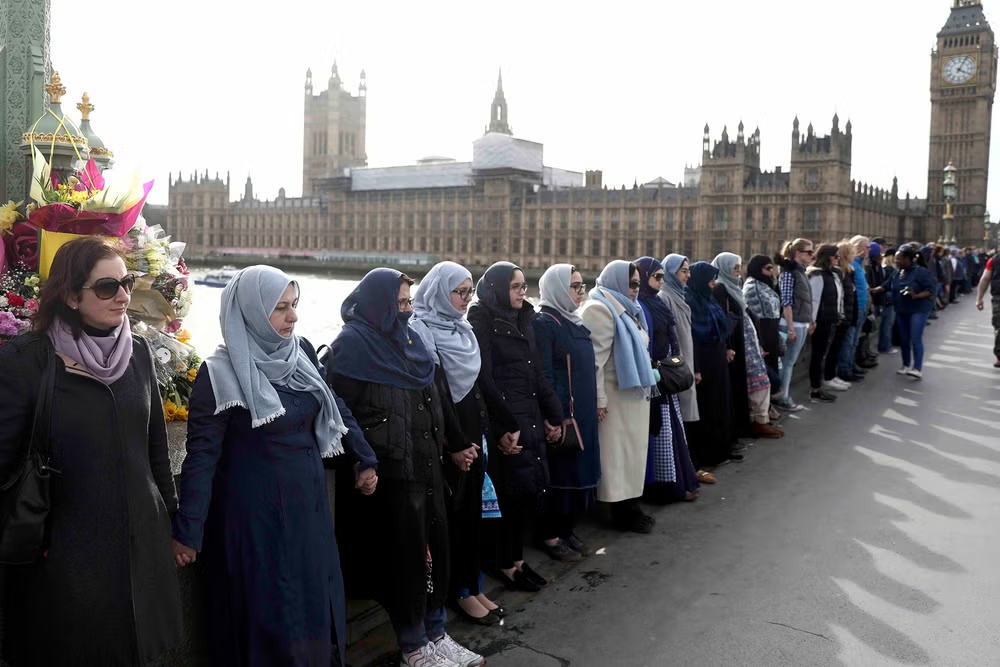
Conclusion: A Country at a Crossroads
The United Kingdom is still one of the world’s most developed and influential nations.
But it now faces several serious challenges at the same time:
- economic uncertainty,
- demographic change,
- political polarization,
- healthcare pressure,
- and questions about its future global role.
How Britain responds to these challenges over the next decade could shape not only its own future—but also its place in the world order.


