Introduction: One of the Most Controversial Human Rights Issues in the World
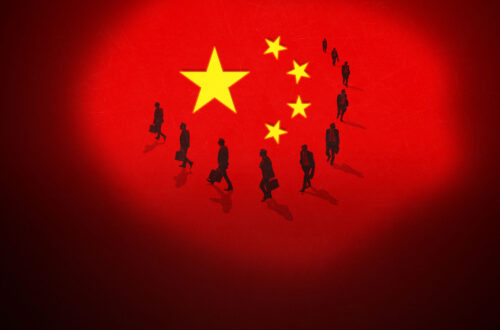
In recent years, China has faced intense international criticism over its treatment of the Uyghur Muslims in the Xinjiang region.
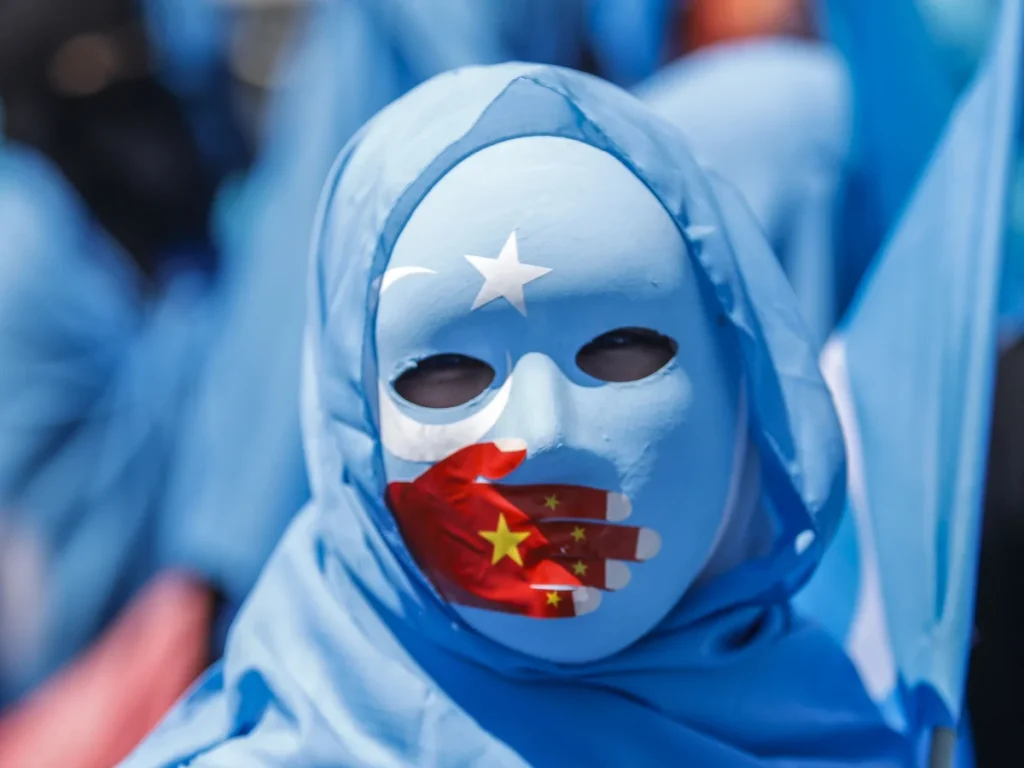
Human rights organizations, Western governments, and researchers have accused Beijing of carrying out a massive campaign of surveillance, detention, and cultural suppression against the Uyghur population.
China, however, strongly rejects these accusations.
The Chinese government claims its policies are aimed at combating extremism, separatism, and terrorism.
The issue has now become one of the most controversial geopolitical and human rights debates of the modern era.
Who Are the Uyghurs?
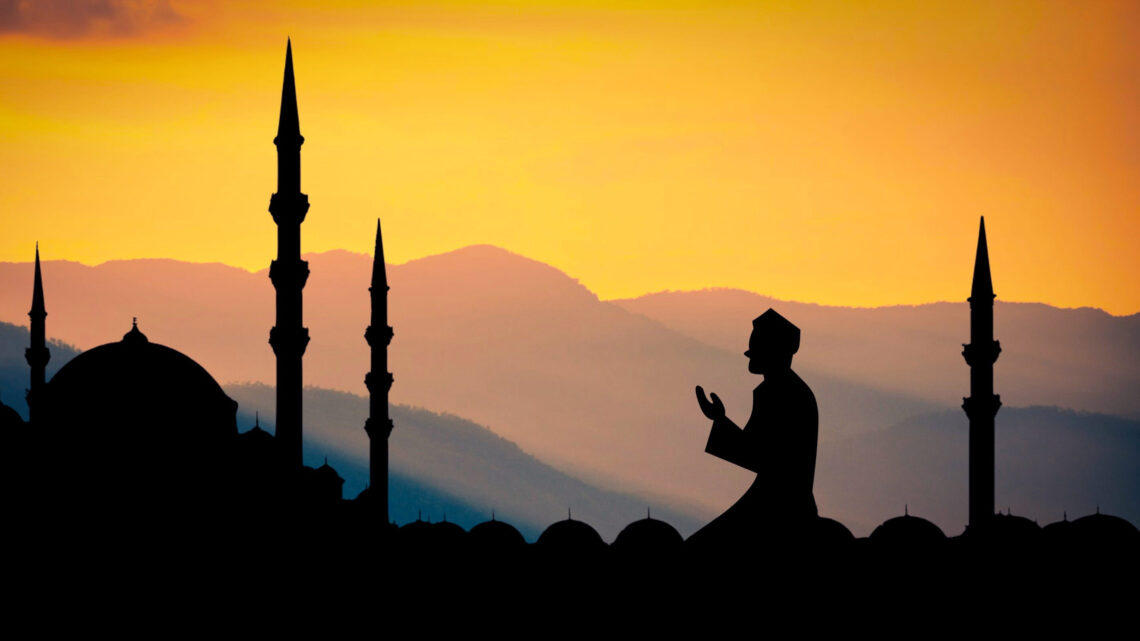
The Uyghurs are a Turkic Muslim ethnic group primarily living in Xinjiang, a large region in western China.
They have:
- their own language,
- cultural traditions,
- and Islamic identity.
Historically, many Uyghurs have viewed themselves as culturally distinct from China’s Han majority population.
Xinjiang is also strategically important because it:
- borders several Central Asian countries,
- contains major energy resources,
- and plays a key role in China’s Belt and Road Initiative.
The Beginning of Tensions
Tensions between Beijing and Uyghur groups increased over several decades.
China accused some Uyghur separatist groups of:
- promoting extremism,
- carrying out violent attacks,
- and encouraging separatist movements.
Several violent incidents, including attacks blamed on extremist groups, led Beijing to intensify security measures in Xinjiang.
After this, China launched what it called a campaign against terrorism and radicalization.
Mass Surveillance in Xinjiang
One of the most widely discussed aspects of China’s policy has been the use of advanced surveillance systems.
Reports suggest authorities used:
- facial recognition cameras,
- biometric data collection,
- phone monitoring,
- and AI-based tracking systems.
Xinjiang became one of the most heavily monitored regions in the world.
Critics argue this created an environment where ordinary religious and cultural behavior came under suspicion.
Detention Camps Allegations
Perhaps the biggest controversy involves allegations that China detained large numbers of Uyghurs in what critics describe as “internment camps.”
Human rights organizations and Western governments claim:
- over a million Uyghurs and other Muslim minorities were detained,
- often without formal trials.
Former detainees have described:
- political indoctrination,
- forced renunciation of religious beliefs,
- strict discipline,
- and psychological pressure.
China denies the camps are prisons.
Instead, Beijing describes them as:
“Vocational education and training centers”
designed to fight extremism and provide job skills.
Restrictions on Religion and Culture
Reports from international organizations and journalists claim that authorities imposed restrictions on:
- Islamic practices,
- mosque activities,
- fasting during Ramadan,
- religious clothing,
- and Uyghur language education.
Critics argue these policies aim to weaken Uyghur cultural and religious identity.
China denies suppressing Islam itself and says it protects lawful religious activities while targeting extremism.
Forced Labor Allegations
China has also faced accusations regarding forced labor programs involving Uyghurs.
Some Western governments claim Uyghurs were transferred into factories under coercive conditions, particularly in industries such as:
- cotton,
- textiles,
- and solar panel manufacturing.
These allegations led the US and some other countries to impose restrictions on products linked to Xinjiang.
China strongly rejects the forced labor accusations.
Global Reaction
The international response has been deeply divided.
Countries critical of China:
- United States
- United Kingdom
- Canada
- Several European nations
Some governments described China’s actions as:
- crimes against humanity,
- or even genocide.
Countries supporting or avoiding criticism:
Several nations, particularly those with strong economic ties to China, supported Beijing’s position or avoided direct criticism.
This reflects China’s growing global influence and the geopolitical complexity surrounding the issue.
Why Xinjiang Matters to China
For Beijing, Xinjiang is not just about security.
It is strategically important because:
- it connects China to Central Asia,
- supports Belt and Road trade routes,
- and contains valuable natural resources.
Chinese leaders fear instability or separatism in Xinjiang could threaten national unity and economic strategy.
Conclusion: Security vs Human Rights
The Uyghur issue has become one of the defining global debates about:
- state power,
- surveillance,
- national security,
- and human rights.
Critics argue China crossed the line into mass repression and cultural suppression.
China insists its policies prevented extremism and brought stability to Xinjiang.
The controversy continues to shape China’s global image and remains a major point of tension between Beijing and Western countries.