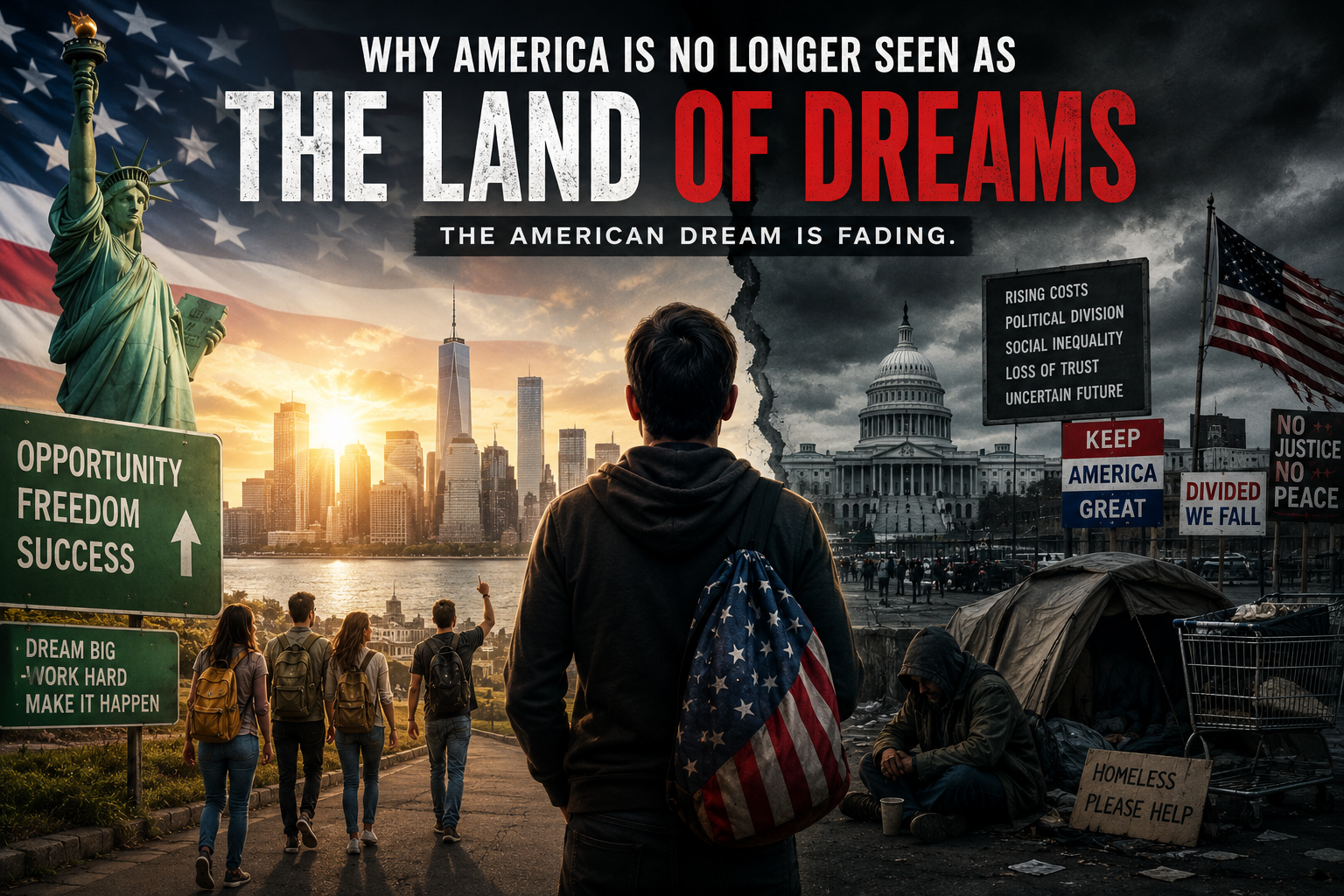
Introduction: The Changing Image of America
For decades, the United States was seen as the ultimate dream destination.
People from all over the world looked at America as a place where anyone could become successful through hard work. Hollywood movies, Silicon Valley success stories, and the promise of freedom helped build the image of the “American Dream.”
But today, that image is slowly fading.
Around the world, many people no longer view the US with the same admiration it once enjoyed. Even within America itself, there is growing debate about whether the “American Dream” still exists.
So, what changed?
The Rise of the American Dream
After World War II, the United States emerged as the world’s strongest economy.
It offered:
- Better job opportunities
- Higher salaries
- Strong universities
- Technological innovation
- Political freedom
Immigrants moved to America hoping for a better future.
For many years, the system worked.
Owning a house, getting a stable job, and building wealth seemed achievable for ordinary people.
America became a symbol of opportunity.
Why the Image Is Changing
1. Rising Cost of Living
One of the biggest reasons is the increasing cost of life in America.
Today:
- Housing prices are extremely high
- Healthcare is expensive
- Education often leads to massive student debt
Many young Americans struggle financially despite working full-time jobs.
For outsiders watching from abroad, America no longer looks as affordable or stable as it once did.
2. Political Division and Social Tension
American politics has become deeply polarized.
The country regularly experiences:
- Intense political conflicts
- Protests and riots
- Cultural divisions
- Heated election controversies
Social media has amplified these tensions, making America appear more divided than united.
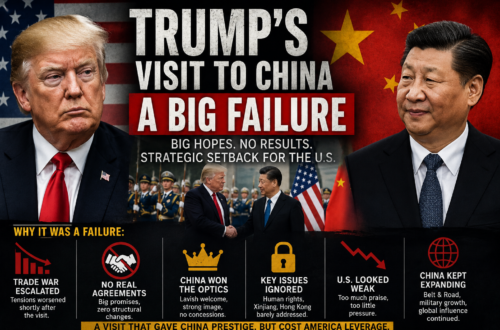
To many global observers, the US now looks politically unstable compared to its earlier image of confidence and leadership.
3. Decline in Trust Toward Institutions
Another major issue is declining public trust.
Many Americans today have less trust in:
- Government institutions
- Media organizations
- Large corporations
This growing skepticism has created a sense of frustration and uncertainty within society.
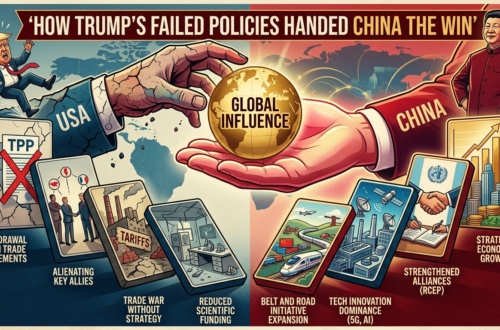
4. The Global Rise of Other Countries
America is no longer the only center of opportunity.
Countries like:
- China
- Singapore
- India
- Canada
- Australia
have become attractive destinations for business, careers, and education.
Technology has also made global opportunities more accessible.
People can now build successful careers without moving to the US.
5. America’s International Image Has Changed
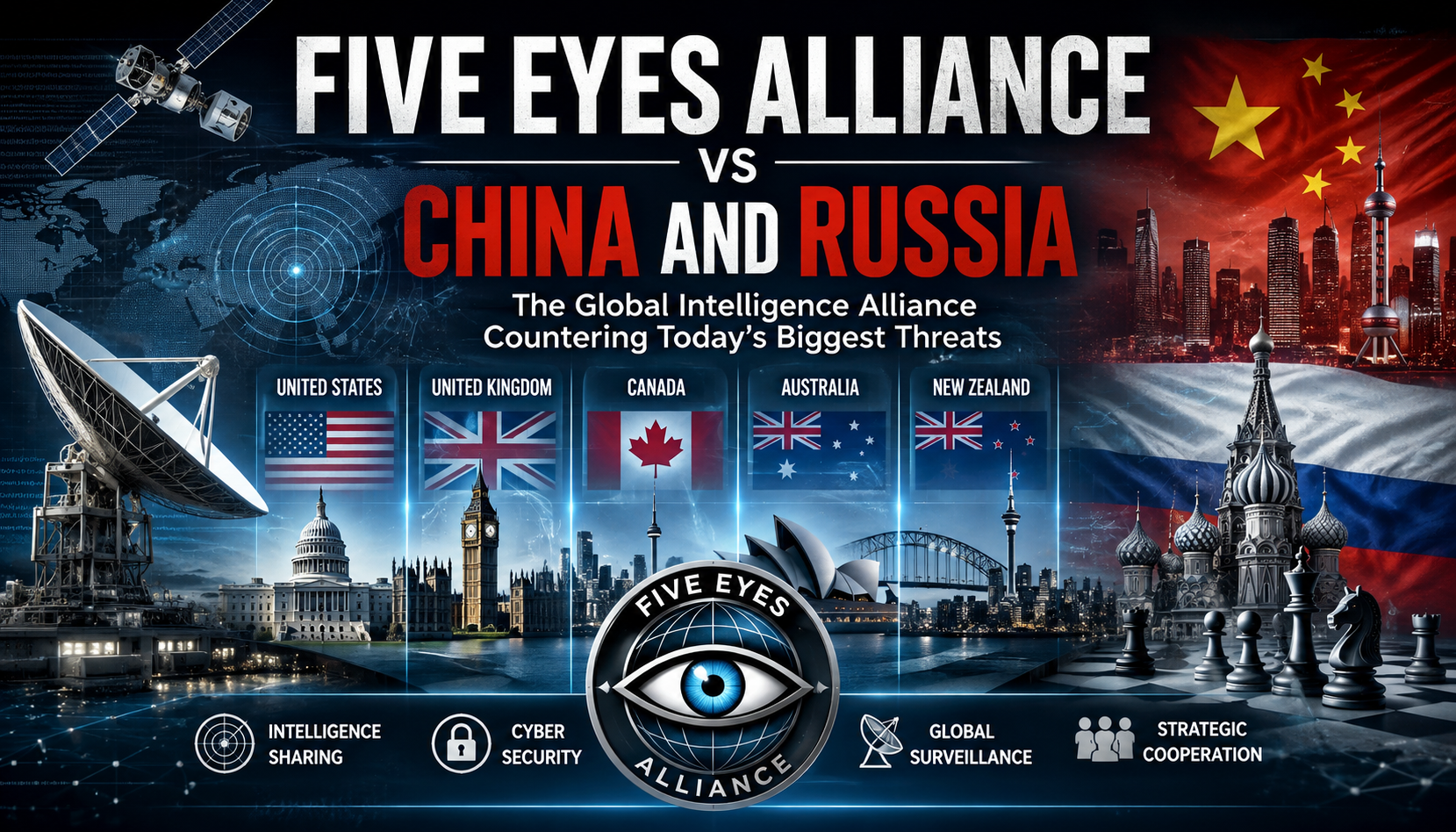
Wars in Iraq and Afghanistan, global surveillance controversies, and geopolitical conflicts have affected America’s global reputation.
Some countries now see the US as:
- Too interventionist
- Too focused on global dominance
- Less reliable as a global leader
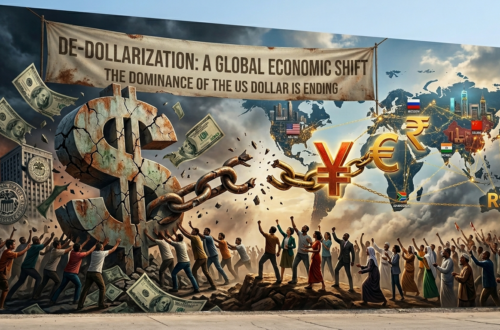
This has weakened the soft power America once held so strongly.
Does the American Dream Still Exist?
The answer depends on who you ask.
America still remains:
- One of the world’s largest economies
- A global technology leader
- Home to top universities and companies
Millions of people still migrate to the US every year seeking better opportunities.
But the dream today feels more difficult, expensive, and uncertain than before.
The idea that “anyone can easily succeed in America” is no longer universally accepted.
Conclusion: A Changing World
The United States has not stopped being powerful.
But the world around it has changed.
Other countries are rising, global competition is increasing, and people now have more choices than ever before.
For decades, America represented hope, ambition, and opportunity.
Today, many still admire it—but fewer see it as the only path to success.
And that may be the biggest sign that the world is entering a new era.